Introduction
The history of LEGO bricks is more than just a timeline of toy development—it’s a story of innovation, learning, and creativity. From a small Danish workshop in the 1930s to a global brand known for its educational value, LEGO has captured the imagination of generations. In this article, we explore how LEGO evolved from wooden toys into a powerful educational tool that promotes STEM learning, creativity, and critical thinking
Table of Contents
The Beginning: LEGO’s Wooden Toy Origins (1932–1949)
The LEGO story began in 1932, when Ole Kirk Christiansen, a Danish carpenter, started making wooden toys in his workshop in Billund, Denmark. The company was named LEGO in 1934, derived from the Danish words “leg godt”, meaning “play well” a phrase that still reflects the brand’s mission

Although Christiansen began with wooden ducks, cars, and yo-yos, the vision to create something more meaningful was already in motion.
The Birth of the LEGO Brick (1950s)
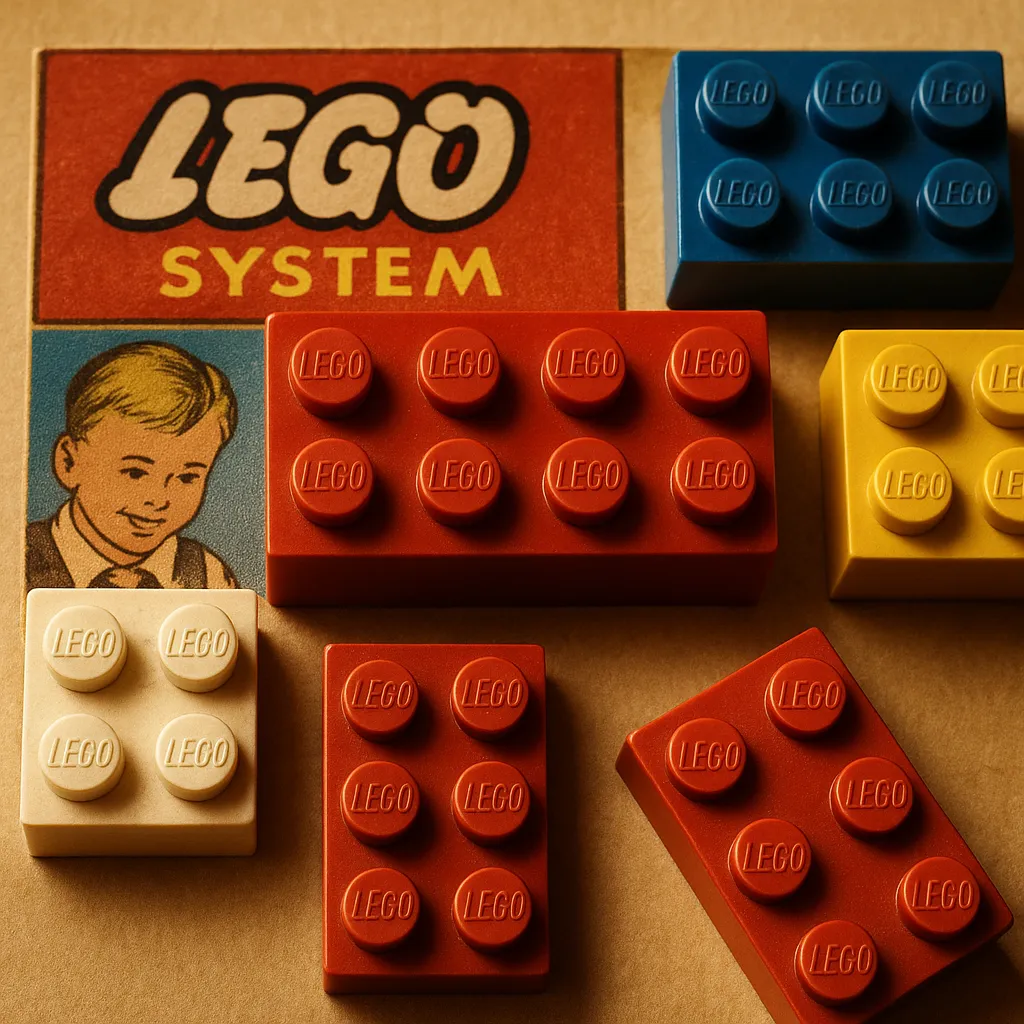
The real turning point in the history of LEGO bricks came in the 1950s, with the introduction of plastic toys. In 1949, LEGO launched its first plastic building bricks, known as “Automatic Binding Bricks”. But in 1958, the iconic stud-and-tube interlocking system was patented
This patent laid the foundation for LEGO’s revolutionary building system, where every piece compatible across sets and themes supporting unlimited creativity that has remained unchanged for over 60 years
LEGO as a Learning Tool: The Educational Value Emerges (1960s–1980s)
LEGO’s educational value became more evident as the brand expanded:
- 1960s–70s: Introduction of themed sets like LEGO Town, Trains, and Space
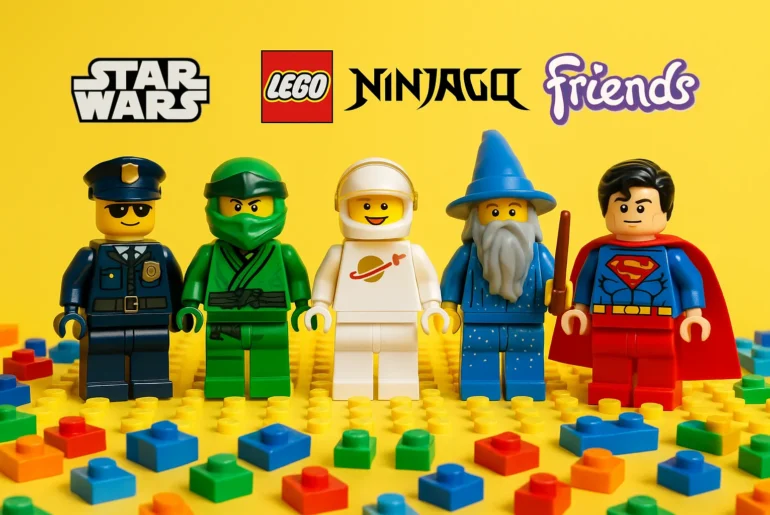
- 1978: Arrival of minifigures, adding storytelling and character play
- 1977: Launch of LEGO Technic, encouraging engineering and mechanics learning
These innovations helped position LEGO not just as a toy, but as a hands-on educational system used in classrooms and homes to teach problem-solving, engineering, and creativity.
LEGO’s Global Rise and Crisis Recovery (1990s–2000s)
In the 1990s, LEGO expanded globally and introduced licensed sets like Star Wars and Harry Potter, which helped attract new fans. But by the early 2000s, LEGO faced financial trouble due to over-diversification and competition from video games
However, the company focused on its core strength creative building with educational value. The introduction of LEGO Education kits, and a return to quality, innovation, and fan-driven content marked the beginning of a new era.
LEGO in the Digital Age
In the 2010s and beyond, LEGO embraced technology and education like never before:
- LEGO Mindstorms brought coding and robotics into classrooms
- LEGO Ideas allowed fans to shape future products
- LEGO video games and movies blended digital entertainment with imagination
- LEGO Education programs supported STEM learning in over 100 countries
As of today, LEGO continues to grow with sustainability goals, fan engagement, and even adult-focused sets designed for relaxation and mindfulness.
Why Learning the History of LEGO Bricks Still Matters?
Understanding LEGO’s history isn’t just for fans it’s a valuable lesson in:
- Business innovation
- Creative problem-solving
- The power of play in education
- Resilience during tough times
Final Thoughts
The history of LEGO bricks is a powerful reminder that the best toys are those that combine fun with function. LEGO started as simple wooden toys and transformed into an educational powerhouse shaping minds across generations. So whether you’re a parent, teacher, or lifelong builder, remember: every brick tells a story—and every build is a chance to learn something new
Did you Enjoyed learning about the LEGO history?
Leave a comment below or share your favorite vintage LEGO memory. Don’t forget to check out more educational articles under our Tips, Techniques & Education section and stay inspired with every brick you place.
I’ve also included an interesting AI-generated TikTok video on “The Evolution of LEGO” below, embedded using TikTok’s official feature. All rights remain with the original creator.
This site includes links to third-party websites. MD Brick Creations is not affiliated with or endorsed by any of the brands mentioned. All trademarks and brand names are the property of their respective owners.